Why Are Peptides So Popular? Mechanisms, Manufacturing, and Research Uses
Peptides sit between small molecules and biologics. They're large enough to engage protein surfaces with high specificity, yet small enough to be synthesized and modified in academic and commercial labs. That combination explains much of their recent rise in research use.
Chemical features that make peptides attractive Peptides are short chains of amino acids, and that linearity gives chemists leverage. Primary sequence defines binding surfaces predictably. A single substitution can change affinity, selectivity, or proteolytic stability. That kind of modularity is hard to match with small molecules. Structure also supports a wide toolbox of chemical modifications: cyclization to reduce flexibility, stapling to reinforce helices, lipidation or albumin‑binding motifs to extend half‑life, and PEGylation to alter solubility. Those changes are tangible. You can point to an altered residue, measure altered protease resistance, and quantify the pharmacology in vitro.
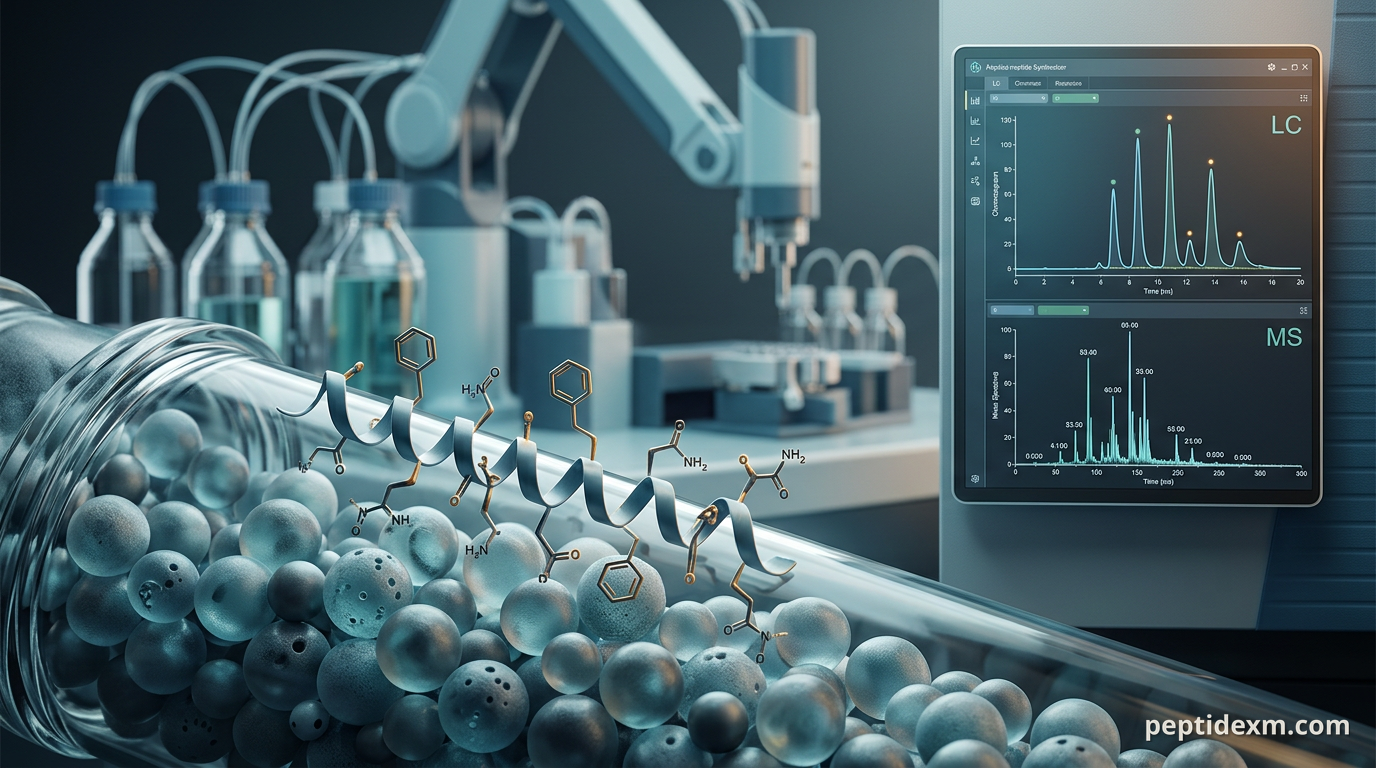
Manufacturing and analytical advances that scaled access Solid‑phase peptide synthesis (SPPS) — first developed in the 1960s — made iterative, automated assembly practical. Today, automated synthesizers can deliver tens to hundreds of sequences in parallel and couples to high‑throughput purification and mass spectrometry. What used to take weeks in bespoke labs now often finishes in days. Analytical methods improved too. Modern LC‑MS workflows detect single‑digit‑percent impurities and map oxidation or deamidation hotspots. That matters for reproducibility. When you order a synthetic peptide, you can reasonably expect a certificate of analysis detailing purity, identity, and water content — essential for quantitative benchwork.
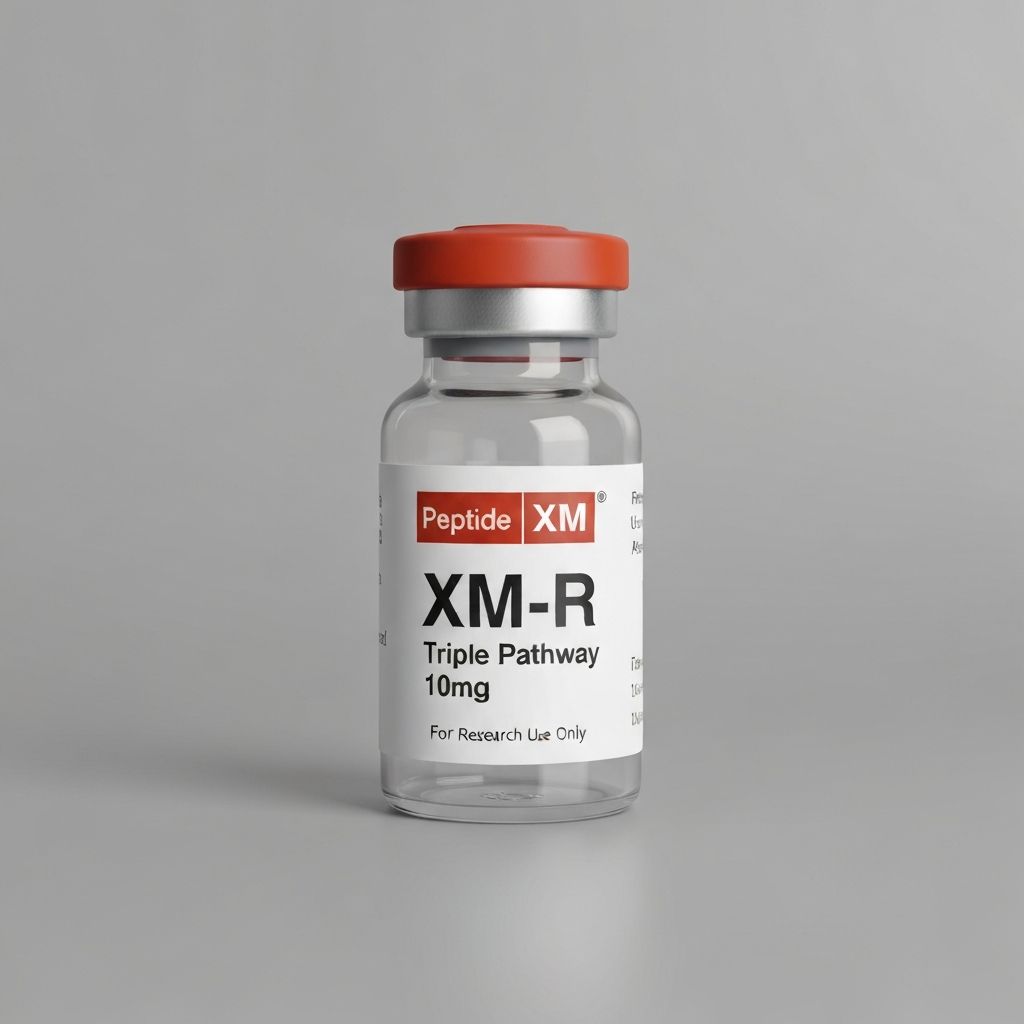
Pharmacology: specificity, bias, and the rise of multi-agonists Peptides can mimic endogenous ligands closely, so they often show high target specificity and predictable receptor engagement. That makes them excellent tools for target validation: recruit the native pathway, then perturb it chemically or genetically. Researchers also exploit biased agonism — peptides can selectively trigger subsets of receptor signaling, producing distinct cellular outcomes in vitro. Another trend is polypharmacology via engineered multi‑agonists. By merging sequences or adding linkers, researchers create molecules that activate two or three receptors simultaneously. Those constructs are useful for probing whether combined receptor activation produces additive, synergistic, or opposing effects. Example products in the GLP‑1 research space illustrate this strategy.
Why labs choose peptides as experimental tools Peptides are versatile across experimental systems. They work in cell culture, tissue explants, and many animal models. Several practical reasons drive that preference:
Predictable structure–activity relationships: amino acid substitutions map directly to functional changes. Customisability: tags (biotin, fluorescent dyes), affinity handles, and protease‑cleavable linkers can be added as needed. Relatively low barrier to synthesis for short to medium lengths (up to ~40 residues) compared with full proteins.
Growth‑hormone secretagogues and fragments, for instance, remain common research reagents to study endocrine axes or receptor signaling without working with whole hormones. These peptides are widely used as tools to probe mechanism rather than as therapeutic recommendations.

Practical considerations for buying, storing, and using peptides Quality and documentation matter. For reproducible experiments, request a certificate of analysis that includes sequence, exact mass, HPLC purity, and endotoxin testing when relevant. Batch variability happens; run identity checks (LC‑MS) on each new lot when experiments critically depend on the ligand. Storage and handling affect chemical integrity. Lyophilized peptides are more stable than solutions. Many degrade via oxidation, deamidation, or aggregation — so store per the supplier's recommendations and minimise freeze‑thaw cycles. For lab safety and compliance: treat all research peptides as research‑use reagents only. Do not administer them to humans or animals outside approved, supervised protocols and institutional approvals.
Ask for stability data at the temperatures you plan to use. Consider aliquoting single‑use portions to avoid repeated handling. Confirm solvent compatibility: some sequences solubilise poorly and need careful formulation for cell‑based assays.
Peptides aren't a universal solution. They can be costly at larger scales, fragile in some bioenvironments, and sometimes immunogenic in long‑term in vivo work. Still, for focused mechanistic studies they provide a middle ground unmatched by many alternatives.
Peptides are popular because they combine clear, tunable chemistry with physiologically relevant pharmacology and now-easy manufacturing and analytics. For research buyers that means precise tools, faster iterations, and a growing catalog of validated scaffolds. Use them as tools — and document them carefully.