GLP-1
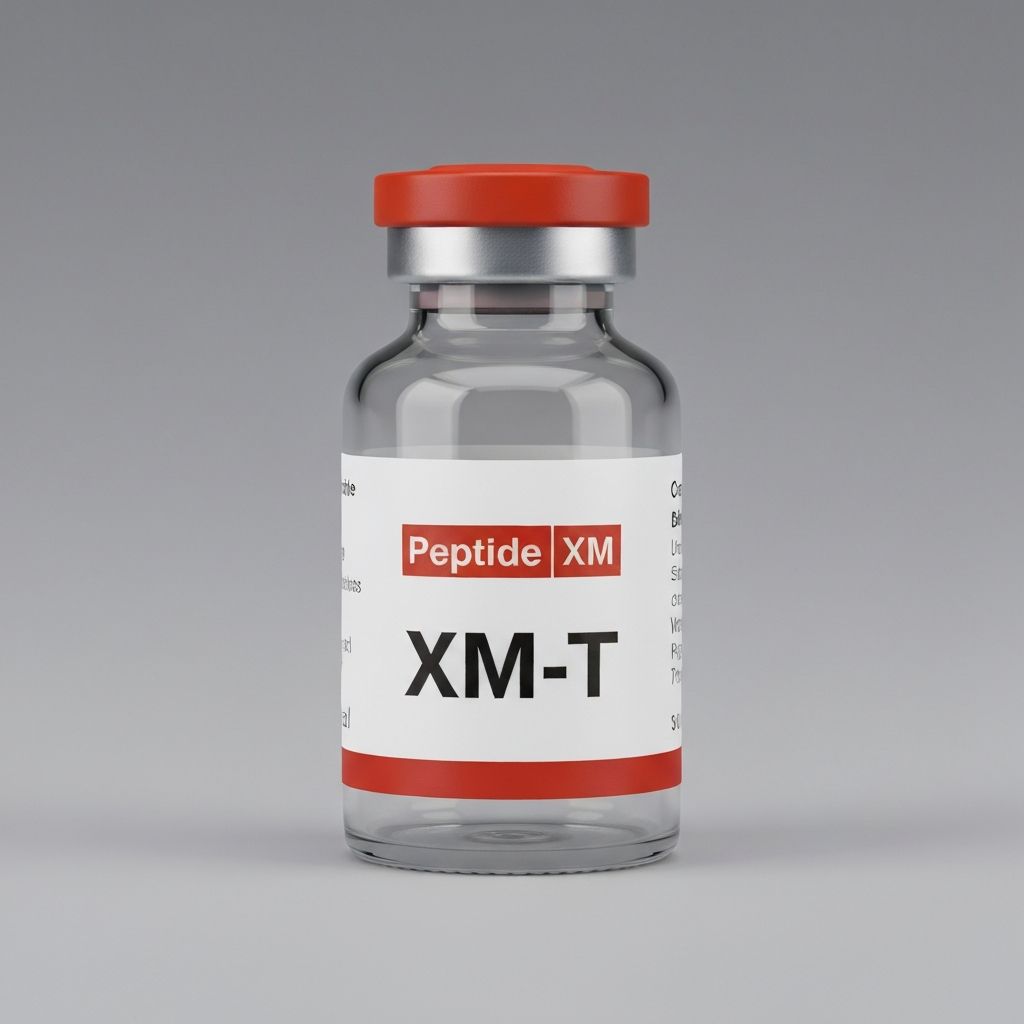
XM-T (Dual Pathway)
Dual GIP and GLP-1 receptor agonist for metabolic research applications.
View product →
GLP-1
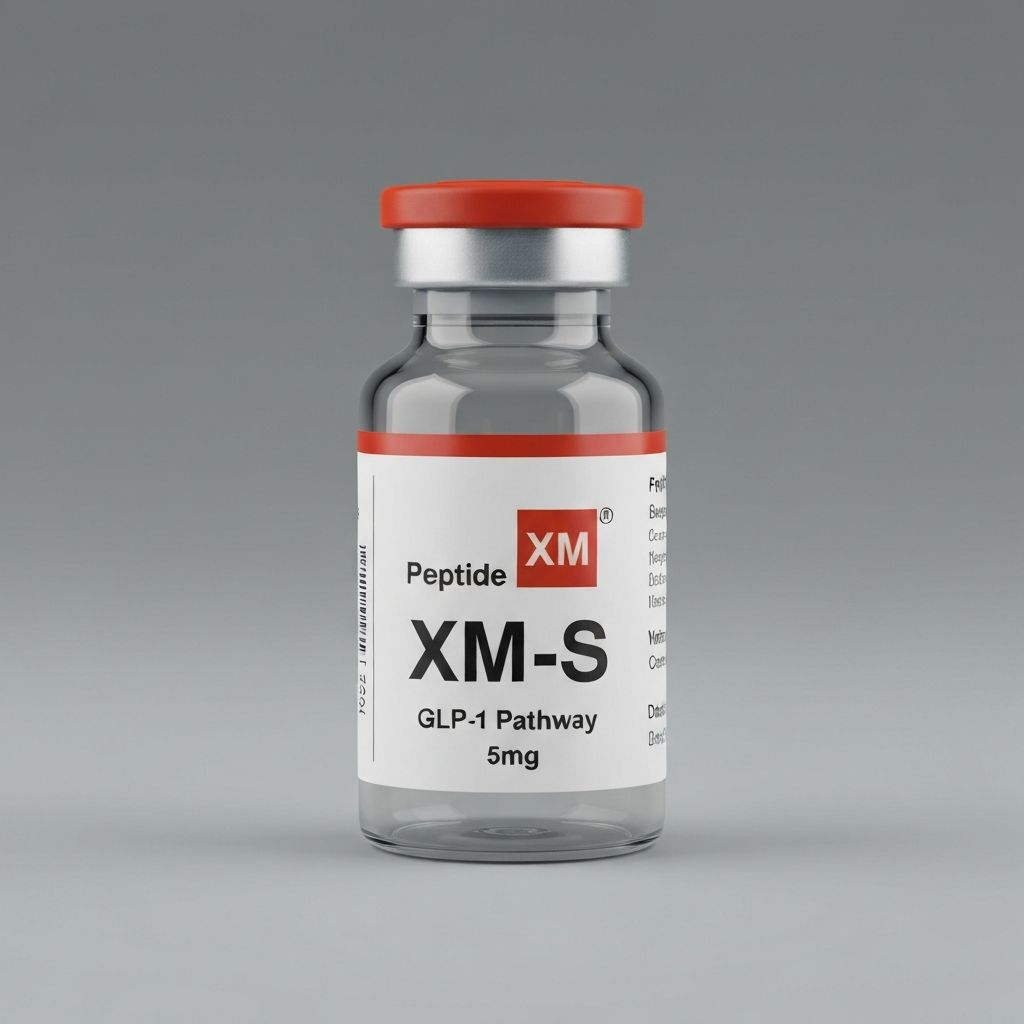
XM-S (GLP-1 Pathway)
GLP-1 receptor agonist peptide for metabolic and appetite research.
View product →
If you're new to buying GLP-1 peptides for research, the online marketplace can feel like a maze. Good vendors exist. So do sketchy listings. This guide walks you through what to check, what to ask for, and how to keep your experiments reliable — all framed for research use only. Quick primer: what "GLP-1" mean for researchers GLP-1 refers to glucagon-like peptide-1 and a family of related research peptides that affect GLP-1 receptor pathways in vitro and in preclinical models. You'll see the shorthand GLP-1 used online and in some vendor catalogs; it's the same central concept, just a case-and-spacing variant that sometimes helps search matching. For lab work you care about the sequence, the supplier's synthesis method, and whether the peptide arrived with documentation proving identity and purity. Those three things determine whether your reagents will behave consistently in assays, cell culture, or animal studies. Why buying research-grade matters Not all peptide-grade materials are equal. A product labelled "peptide" on a marketplace may be crude, impure, or mischaracterized. For reproducible data you want materials synthesized and characterized to research standards: clear lot numbers, analytical data (HPLC chromatograms, MS traces), and stability information. Quality matters beyond simple purity percentages. Impurities can interfere with receptor assays, cause unexpected cell responses, or produce misleading pharmacology in animal models. Paying attention up-front saves you time, money, and failed experiments later. How to vet an online peptide supplier Treat vetting like a short inspection checklist. You should be able to answer these questions before you click "buy": Does the vendor publish Certificates of Analysis (COAs) per lot, and can you download them before purchase? Which analytical methods are used to confirm identity — HPLC, LC-MS, MALDI-TOF, NMR? Is there a stated purity threshold (typical research-grade is ≥95% by HPLC)? Are residual solvent tests or water content (Karl Fischer) reported for lyophilized lots? Does the vendor list storage recommendations, shelf life, and shipping conditions? If the answers are vague, or the vendor refuses to share batch-level COAs, walk away. New buyers often assume all vendors are the same. They aren't. Interpreting a Certificate of Analysis (COA) A COA is your single best piece of evidence for product quality. Learn to read it. A complete COA shows the tests performed, the acceptance criteria, and the measured values for the shipped lot. What a solid COA contains Lot number and manufacture date — traceability matters for reproducibility. Assay result (percent purity) with the method listed, usually HPLC or UPLC. Chromatogram image from HPLC and the retention time for the main peak. Mass spectrometry data confirming the molecular weight (MALDI-TOF or ESI-MS). Residual solvent and moisture content tests when relevant (GC or Karl Fischer). Endotoxin testing (LAL) and microbiological results if the peptide is sold for cell-culture work. Storage/shipping conditions and a statement on stability or recommended shelf life. Compare the stated purity to what you need. For many in vitro assays, ≥95% is a reasonable minimum. For sensitive cell-culture or in vivo work you may need lower endotoxin levels and tighter impurity profiles — check the COA carefully. Analytical methods: what to expect and what they tell you Understanding the analytics helps you ask better questions. HPLC tells you the sample's chromatographic purity and is where you'll typically see the "95%" numbers. Mass spectrometry confirms the molecular weight and helps detect truncations or adducts. When both are present, you get a much stronger assurance of identity. Some vendors also provide amino acid analysis, NMR, or peptide mapping. Those are higher-end analytics and useful if your work will be published or used in sensitive bioassays. If a COA only lists a single test and no raw chromatogram or spectrum, you've got less to rely on. Ordering, payments, and protecting your purchase Buyers often focus on price alone. Price matters, but the total cost of a bad batch includes re-orders, wasted animals or plates, and lost time. Look at a vendor's payment options and their refund/returns policy for analytical failures. A reputable seller will offer clear return policies if a product is mischaracterized. Prefer vendors that accept traceable payment methods (credit card, company PayPal, business wire). These give you recourse if something goes wrong. Check whether the vendor ships with tracking and whether they insure high-value loads. Ask about sample sizes. Some research suppliers offer small aliquots so you can verify compatibility before a larger purchase. Keep records. Save emails, COAs, lot numbers, and packing lists. If you later see an anomaly in your data, those records let you rule out the reagent as a cause faster. Shipping, storage, and handling for research-grade peptides Shipping and storage are where many peptides get compromised. Lyophilized peptides tolerate ambient shipping better than frozen peptide formulations do, but you still want a vendor that documents the chain of custody and uses appropriate packaging. Lyophilized peptides: typically stable at ambient for short transit; long-term storage at −20°C is common. Frozen formulations: require dry ice or refrigerated shipping and should be flagged as temperature-sensitive. Inspect the package immediately on arrival. Note any breaches in packaging or signs of thawing, and contact the seller if something looks off. For handling inside the lab, follow basic reagent practices: avoid repeated freeze-thaw cycles, aliquot when possible, and document when a vial was opened. Those simple steps preserve integrity and keep your results consistent. Red flags: how to spot low-quality listings and scams New buyers get fooled by polished websites and aggressive price cuts. Here are common red flags: No downloadable COAs or only a generic COA that doesn't include a lot number. Unclear synthesis method (no solid-phase synthesis statement) or vague purity claims like "high purity" with no number. Excessively low prices compared to the research market average — if it sounds too cheap, it probably is. No business contact information or a PO box-only address. Refusal to accept traceable payment methods or insistence on obscure crypto-only payments without proper invoicing. If you see more than one of these signs, assume you’ll waste money and move on. Where to buy: what to expect from reputable vendors (and an example) A reputable vendor will give you clear COAs, offer lot-specific documentation, provide sensible shipping options, and publish a transparent returns policy for analytically mischaracterized lots. They should also answer technical questions about sequence variants, modifications, and recommended storage. We carry a range of GLP-1 pathway research peptides and publish COAs for each lot so researchers can make informed choices. Below are two representative options you might see on a vendor catalog; they’re shown as product cards for quick reference.
GLP-1
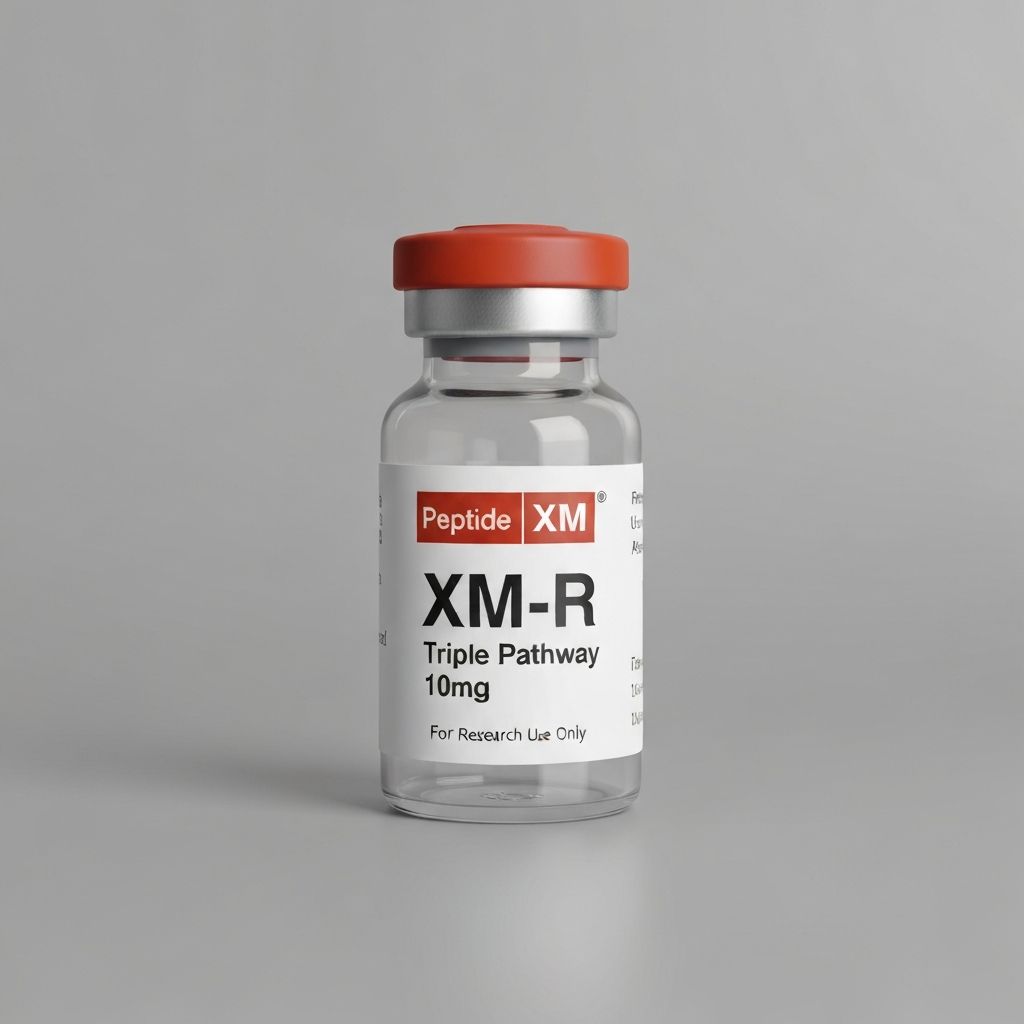
XM-R (Triple Pathway)
Triple agonist peptide targeting GLP-1, GIP, and glucagon receptors.
View product →
GLP-1
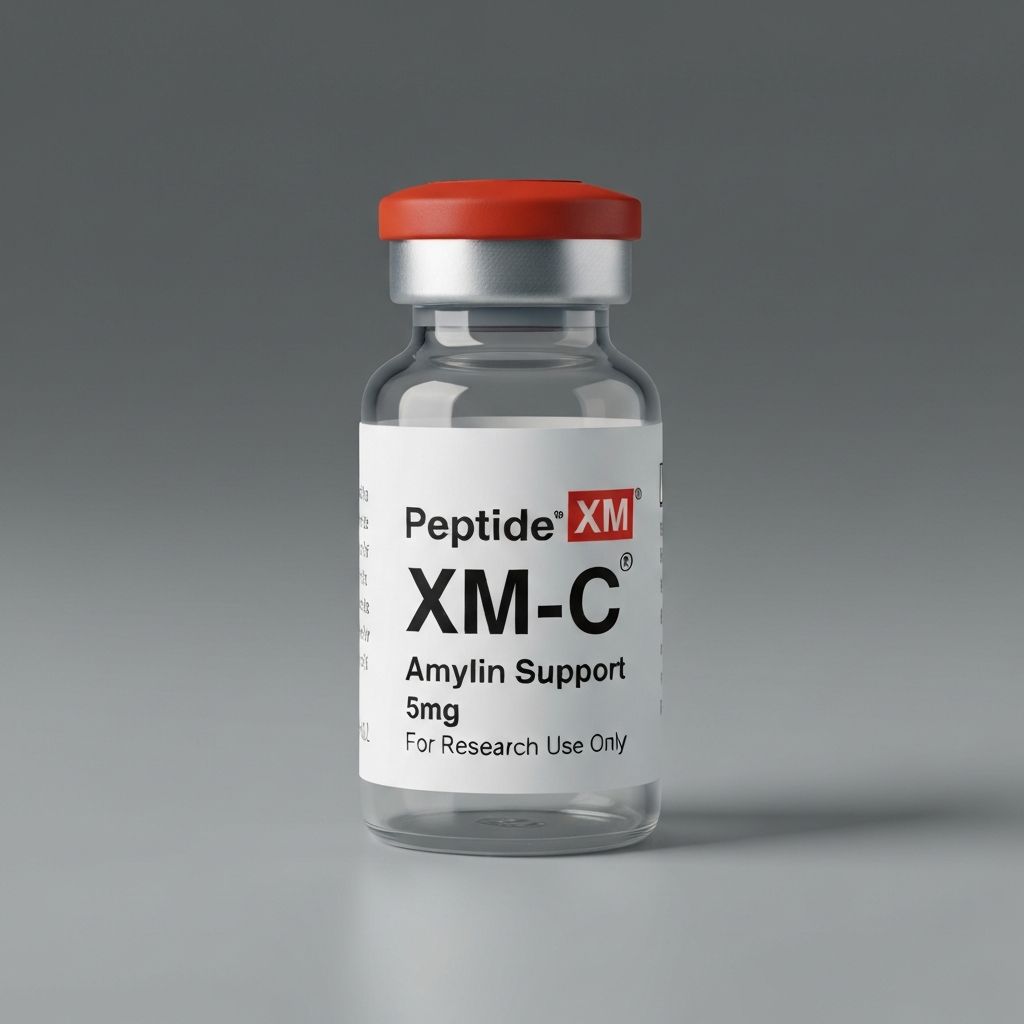
XM-C (Amylin Support)
Long-acting amylin analog for metabolic and satiety research.
View product →
These product cards are examples of research-oriented listings; check the COA and the lot-specific analytics before using any new lot in critical experiments. Practical checklist for your first GLP-1 purchase Before you place an order, run through this short checklist. Printing it and filling it in can save time later. COA downloaded and matches the intended lot number. Purity stated (preferably ≥95% by HPLC) and chromatogram included. Mass spectrometry confirmation present (MALDI-TOF or ESI-MS). Endotoxin and residual solvent tests reported if your work demands them. Storage, shipping, and handling instructions are clear and practical. Return/refund policy for analytical failures is explicit. Payment and shipping methods are traceable; keep transaction records. Follow these steps and you'll avoid many common headaches new buyers face. If a vendor balks at any of these points, escalate your questions or choose another supplier. Buying GLP-1 peptides online safely is mostly about asking for the right proof and keeping good records. Check COAs, prefer lot-level analytics, and protect purchases with traceable payment and documented shipping. Do that, and your reagents will be one less variable in your research.