Lean Muscle Without Bulking: Research Protocols for Newbies

Many research projects aim to improve muscle quality—greater strength, power, or metabolic lean mass—without triggering a large increase in overall size or adipose tissue. This guide breaks down how to design those studies, what endpoints matter, which peptide tools researchers commonly test, and the mistakes that confound interpretation. All content is for laboratory research use only.
Why "lean muscle without bulking" is a distinct research goal “Lean muscle without bulking” describes a target outcome where functional capacity or relative lean mass improves while total body mass changes minimally. That outcome matters in many models: aging and sarcopenia research where excess mass is undesirable, endurance athletes where mass penalties affect performance, or mechanistic studies isolating muscle quality (fiber composition, mitochondrial function) from hypertrophy. Key measurable endpoints include percent lean mass (DEXA), cross-sectional area (CSA) of specific muscles, fiber-type shifts (histology), voluntary or stimulated force production, power output, and metabolic markers (e.g., insulin sensitivity, mitochondrial biogenesis markers). Use a combination of structural and functional measures to avoid mistaking water retention or glycogen shifts for true lean-tissue gains. Takeaway: Define “lean” and “no-bulk” up front using at least one structural and one functional endpoint to separate true muscle quality effects from transient mass changes.
When to use it Choose a lean-muscle objective when your hypothesis focuses on tissue composition, function per kilogram, or cellular adaptations rather than maximal hypertrophy. Typical scenarios include aging models, immobilization/recovery studies, metabolic research, and performance studies where added mass is detrimental. Model selection matters: small-animal models allow invasive endpoints (fiber-type, molecular assays), while controlled human trials enable functional and DEXA outcomes but require strict ethical and regulatory oversight. Pilot studies often start with short mechanistic animal experiments, then translate to tightly controlled human trials if appropriate. Takeaway: Use lean-muscle protocols when function or tissue composition matters more than total mass; match your model to the endpoints you can collect.
How a study might design this Design focuses on limiting caloric surplus, using resistance protocols that favor neuromuscular performance over pure hypertrophy, and selecting sensitive endpoints. Typical elements to control include diet, training stimulus, hydration, and timing of endpoint measurements relative to last training or intervention dose.
Training stimulus: Emphasize strength/power sessions (e.g., lower-volume, higher-intensity sets) and preserve some aerobic work to maintain metabolic profile. For preclinical models, use forced treadmill or electrically evoked contractions to simulate the neuromuscular load of strength work. Nutrition: Maintain isocaloric intake or a very modest caloric surplus to avoid hypertrophy driven by calories. Control protein intake across groups to match synthesis substrate while avoiding confounding macronutrient shifts. Timing and measurement: Schedule DEXA or imaging at consistent times relative to feeding and training; collect biopsy or tissue samples at matched circadian phases. Track hydration markers to reduce variability from extracellular water. Controls: Include sham or vehicle controls, randomized allocation, and assessor blinding where possible. Use power calculations that account for expected small effect sizes on lean mass but larger effects on functional measures.
Takeaway: Design studies to isolate muscle-quality changes by controlling calories, matching protein, standardizing training stimuli, and using both structural and functional endpoints with appropriate controls and blinding.
Peptide options and stacking logic (mechanisms, not dosing) Researchers evaluating biochemical aids for lean outcomes often test two complementary strategies: agents that augment anabolic signaling or GH/IGF axes to improve protein synthesis and recovery, and agents that enhance mitochondrial function or fat oxidation to maintain a lean phenotype. The following products are commonly studied in preclinical or translational research contexts; tokens link to product cards for reference.
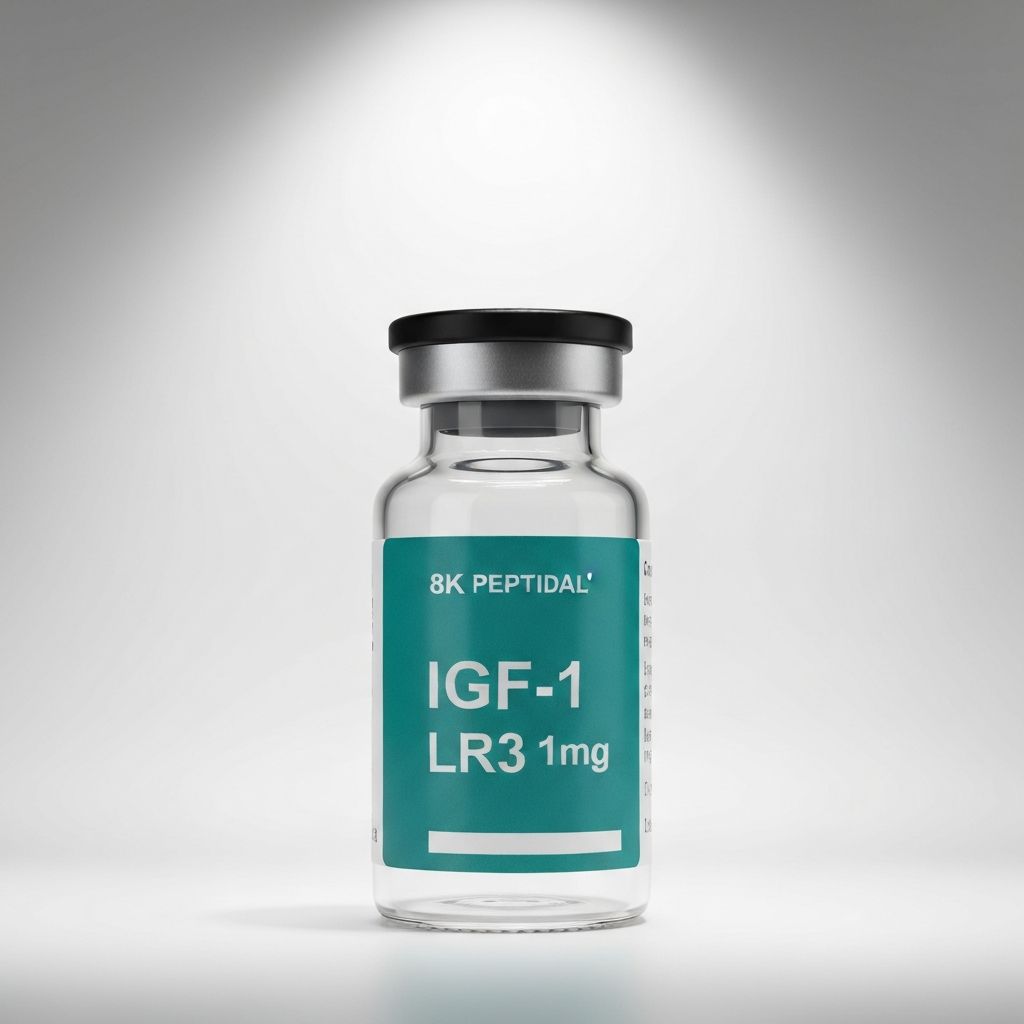
IGF-1 LR3: a long-acting IGF analogue used in laboratory studies to probe anabolic signaling, satellite cell activation, and protein synthesis. IGF-1 pathways can improve muscle repair and fiber quality without necessarily producing proportional whole-body mass gains when calories are controlled—useful for mechanistic experiments on muscle regeneration and fiber remodeling.
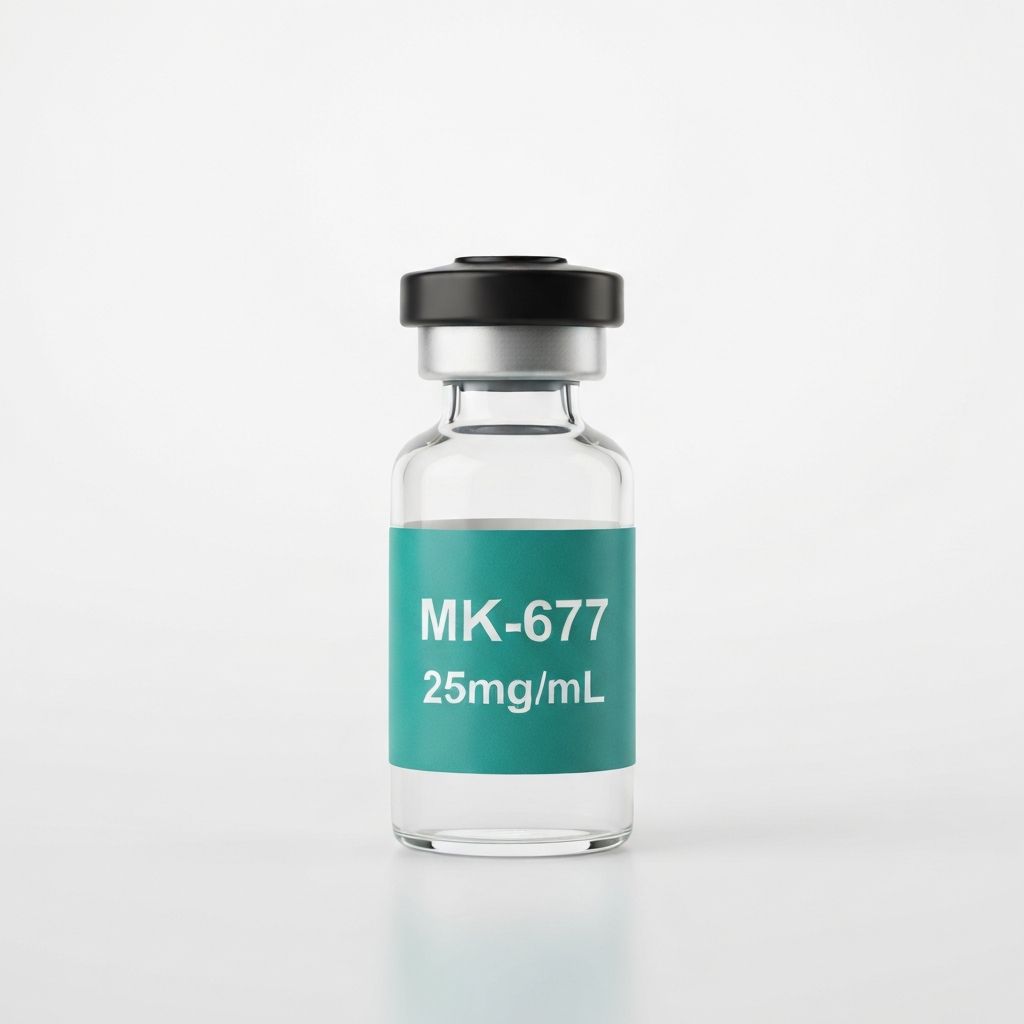
MK-677 (Ibutamoren): a ghrelin receptor agonist commonly used in research to stimulate endogenous growth-hormone release and downstream IGF signaling. In controlled settings, this class can affect body composition and protein turnover; however, outcomes are highly sensitive to nutritional status and study duration. Stacking logic: pair an anabolic or GH/IGF-targeting agent with interventions that improve muscle energy metabolism (e.g., endurance-like training or mitochondrial-targeted compounds) to favor quality over bulk. Avoid interpreting raw weight change as a primary positive; use lean mass and functional improvements to evaluate benefit. Include a recovery-support peptide (e.g., BPC-157 or TB-500) in wound or injury models to speed tissue repair in combination studies, but test interactions experimentally. Takeaway: Choose peptides to probe specific mechanisms—IGF-axis agents for synthesis/repair and GH secretagogues for systemic modulation—and always interpret effects against matched caloric and training controls.
What to avoid Common mistakes that invalidate lean-muscle studies include uncontrolled diet, inadequate control groups, measuring at inconsistent timepoints, and overreliance on body weight or single imaging endpoints. Be especially cautious of artifacts like fluid shifts, glycogen fluctuations, or acute inflammation being mistaken for lean mass change.
Dietary drift: Subjects gaining calories will hypertrophy regardless of the test article; keep feeding regimens strict. Inadequate endpoints: Don’t rely solely on body weight—include DEXA/CT/MRI, muscle CSA, fiber histology, and direct strength measures when possible. Small sample sizes: Expect modest changes in lean mass; power studies accordingly or prioritize functional endpoints with larger effect sizes. Contamination and purity: Verify peptide identity and purity for all investigational compounds to avoid confounding effects from impurities or mislabeled material. Regulatory and ethical errors: Ensure all animal and human protocols have appropriate approvals and that human translational work follows local regulatory guidance—this guide is research-only and does not endorse unsupervised use.
Takeaway: Prevent confounders by stabilizing diet, using multiple endpoints, verifying compound integrity, and powering studies appropriately.
Protocol templates for newcomers (research context) Below are concise, high-level templates suitable as starting points for preclinical or tightly controlled translational studies. Each template lists core elements—endpoints, controls, and typical duration—without prescribing any dosing.
- Short mechanistic (preclinical, 4–6 weeks)
Subjects: small-animal model, n determined by power analysis for CSA/biochemical endpoints. Interventions: fixed training paradigm (e.g., ladder climbing or electrically evoked contractions), isocaloric diet, investigational peptide vs vehicle. Endpoints: muscle fiber CSA, satellite cell activation markers, force production in isolated muscle, tissue IGF/GH signaling assays. Controls: sham training, vehicle-treated cohort, blinded histology analysis.
Takeaway: Use short studies to test mechanism with invasive endpoints; control training and nutrition tightly.
- Translational performance (human or large animal, 8–12 weeks)
Subjects: healthy volunteers or larger animal model with ethical approval; randomize to intervention or placebo. Interventions: strength-oriented training (low volume, high intensity), matched diets (isocaloric), investigational compound vs placebo. Endpoints: DEXA for lean mass, 1–3 functional strength/power tests, blood markers for muscle damage and metabolic profile, standardized hydration checks. Controls: assessor blinding, pre-registered endpoints, baseline matching for body composition.
Takeaway: In translational work prioritize functional outcomes and body-composition imaging while keeping calories consistent to avoid bulk-driven effects.
- Recovery or injury model (variable duration)
Subjects: animal injury model or human rehabilitation cohort under approved protocol. Interventions: repair-focused training, rehabilitation protocols, investigational agent added to accelerate functional recovery. Endpoints: time-to-functional-recovery, fiber regeneration indices, histology, force testing. Controls: rehabilitation-only cohort, blinded outcome assessment, histological confirmation of tissue repair quality.
Takeaway: For recovery studies, combine functional recovery endpoints with histological confirmation to verify quality of regenerated tissue rather than just speed.
Lean-muscle research requires careful endpoint selection, strict nutritional and training controls, validated compounds, and realistic expectations about effect sizes. Define your “no-bulk” criteria up front, pair structural and functional measures, and use the protocol templates above as a starting framework. All suggested study elements are for research planning only and are not recommendations for unsupervised use.