Growth Hormone
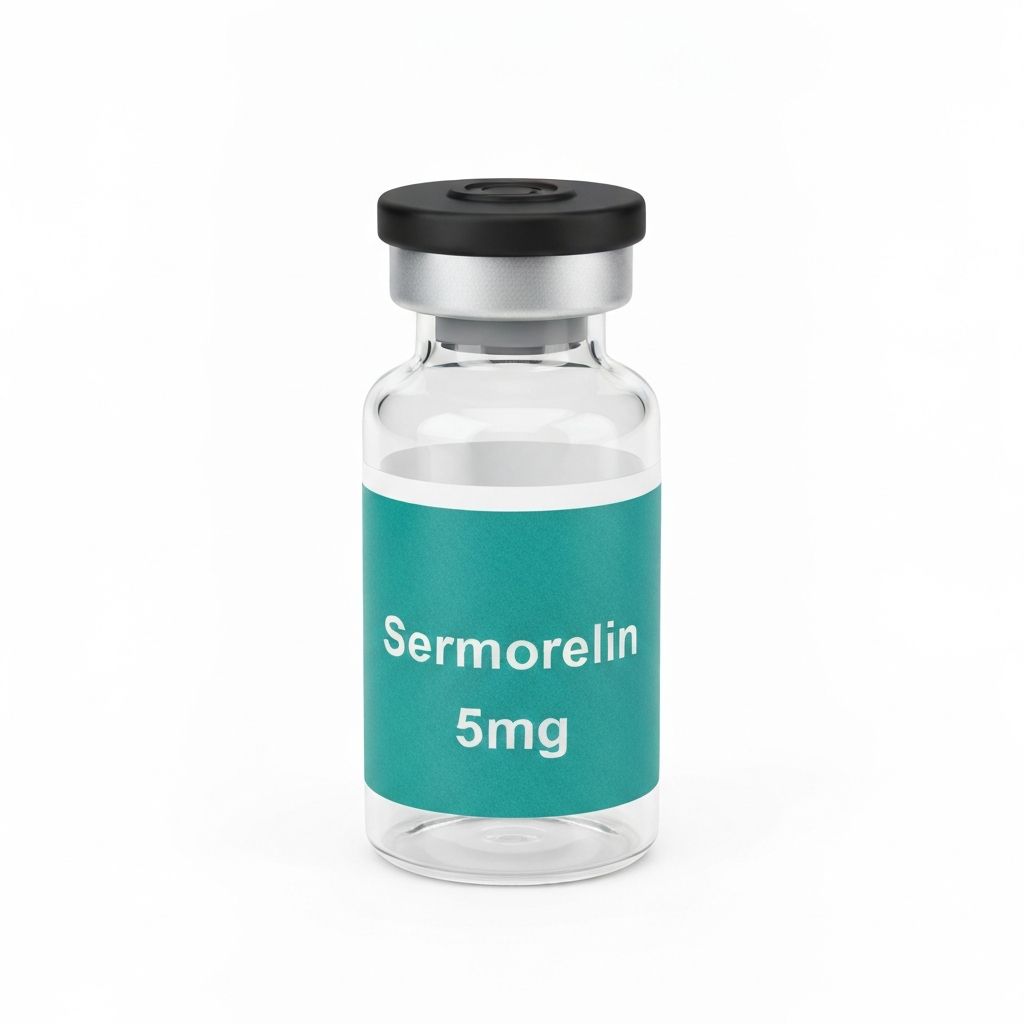
Sermorelin
Growth hormone releasing hormone analog for GHRH receptor studies.
View product →
Growth Hormone
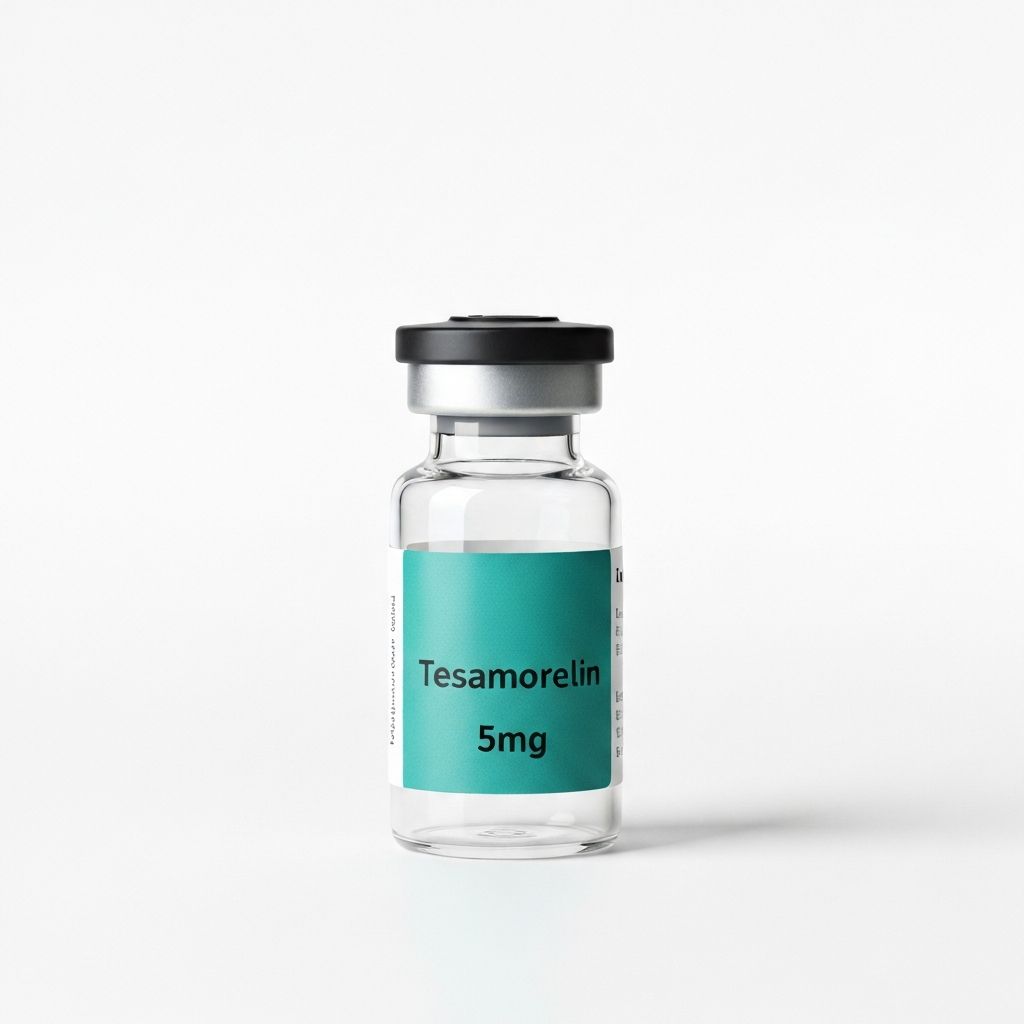
Tesamorelin
Growth hormone releasing factor analog for body composition research.
View product →
Growth Hormone
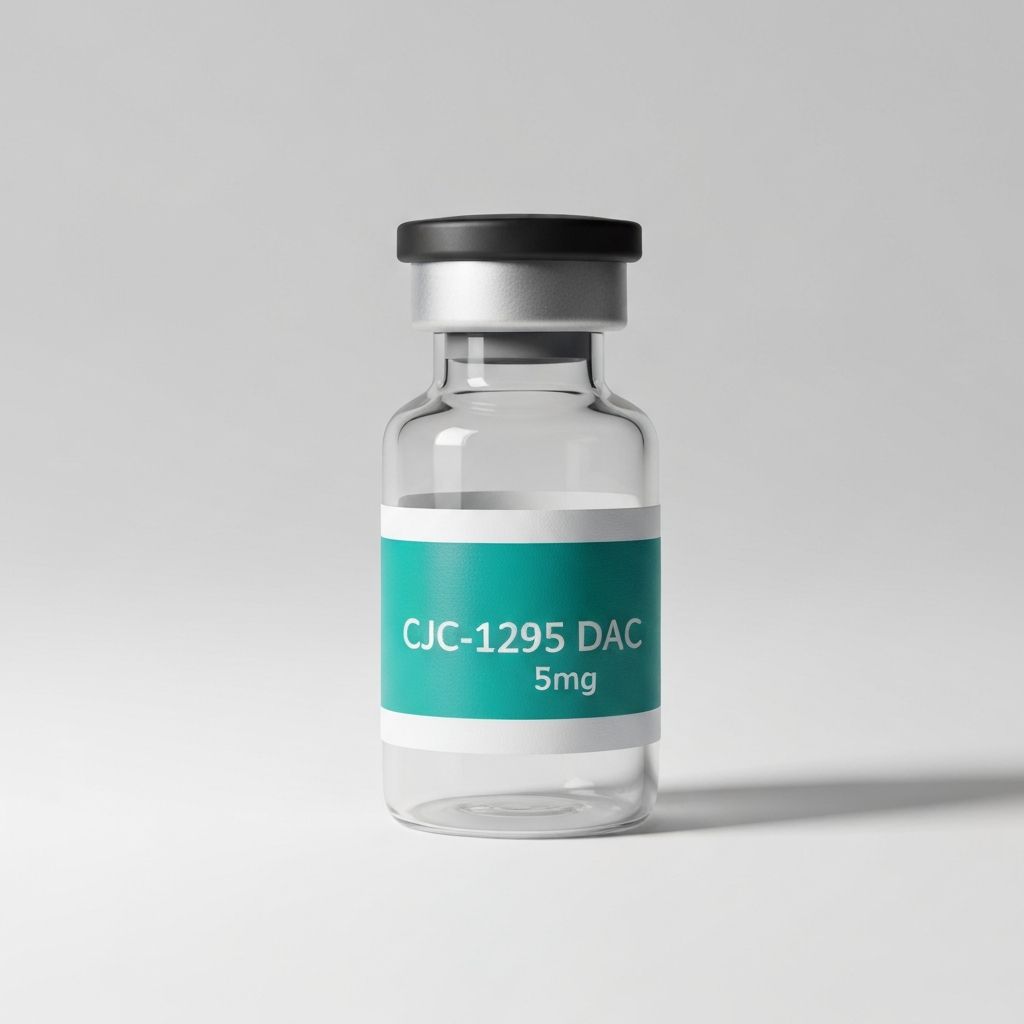
CJC-1295 (with DAC)
Modified GHRH with Drug Affinity Complex for extended half-life studies.
View product →
Growth Hormone
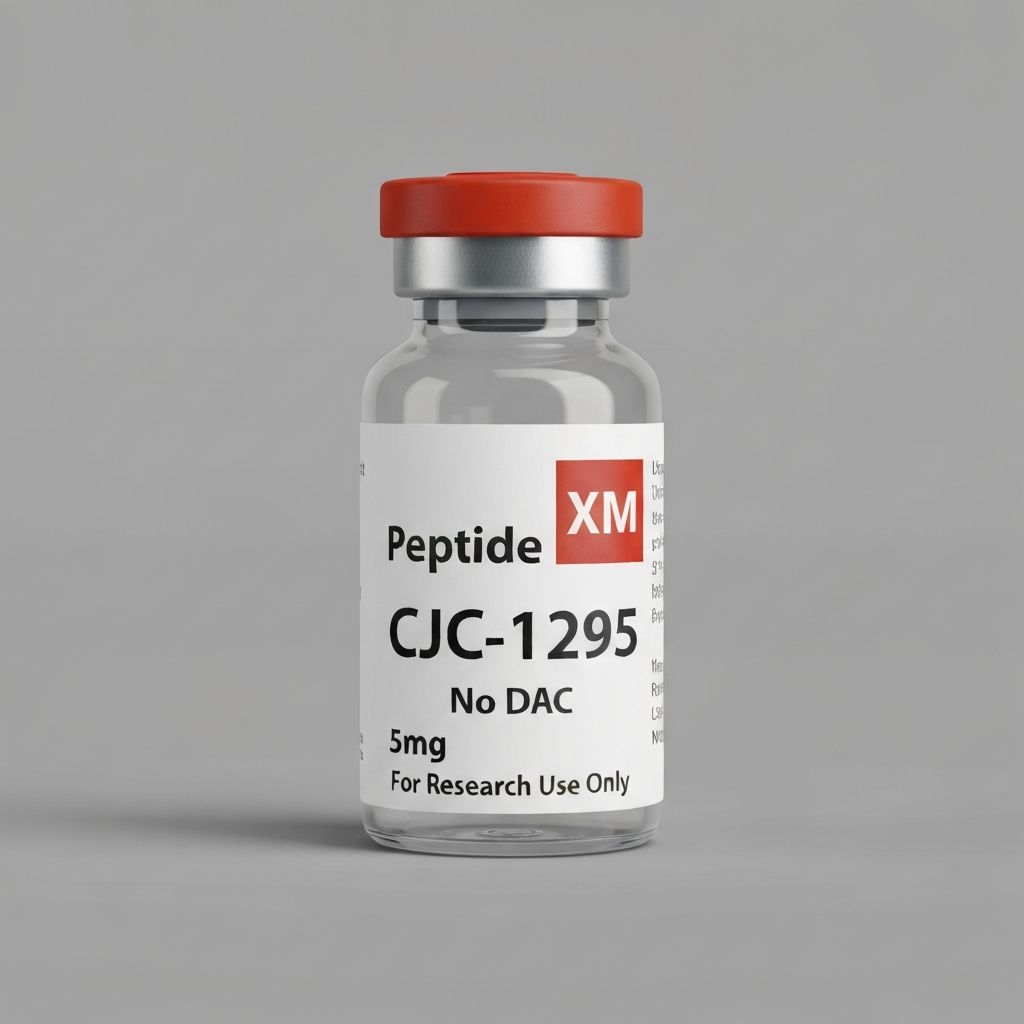
CJC-1295 (no DAC)
Modified GHRH without DAC for pulsatile GH release research.
View product →
Peptides that interact with the growth hormone (GH) axis are widely used as tools in basic and translational research. They range from hypothalamic-releasing factors and synthetic secretagogues to GH fragments and downstream mediators — each class offering distinct mechanisms and experimental uses. This post summarizes the main types, how they act, and pragmatic considerations for designing and interpreting studies that use these compounds.Physiological context: the growth hormone axisUnderstanding growth-hormone–related peptides begins with the hypothalamic–pituitary–somatotropic axis. Growth hormone–releasing hormone (GHRH) from the hypothalamus stimulates somatotrophs in the anterior pituitary to secrete GH; somatostatin inhibits this release. Circulating GH acts on peripheral tissues directly and indirectly via insulin-like growth factor 1 (IGF-1), produced mainly in the liver. Feedback loops, pulsatility, sex steroids, nutritional status, and age all modify axis dynamics, so any experimental manipulation should account for these variables.Major classes of growth-hormone peptidesPeptides used in GH research fall into several functional classes. Each class can be used to probe different aspects of physiology or receptor pharmacology.GHRH analogs and mimetics: These are modified forms of hypothalamic GHRH that bind the GHRH receptor on pituitary somatotrophs to stimulate GH secretion. Examples include research-grade analogs used to study receptor activation and intracellular signalling.GHRP family (growth-hormone–releasing peptides): Small synthetic peptides that act primarily via the ghrelin receptor (GHS-R1a) to amplify GH release, often in synergy with GHRH. Representative research peptides in this family are commonly employed to investigate ghrelin receptor pharmacology and downstream effects.GH fragments and analogs: Short peptides derived from GH sequences (for example, fragments hypothesised to have selective metabolic actions) are used to dissect receptor interactions separate from the full hormone.Secretagogues and non-peptide agonists: Compounds that mimic ghrelin or otherwise increase GH secretion via oral or parenteral routes in animal models; these help explore chronic modulation of the somatotropic axis.Direct effectors: Recombinant human growth hormone preparations and IGF-1 analogs serve as tools to study downstream signalling, receptor cross-talk, and tissue-specific responses.Two commonly used research peptides sold for laboratory studies are:
Growth Hormone
Sermorelin
Growth hormone releasing hormone analog for GHRH receptor studies.
View product →
Growth Hormone
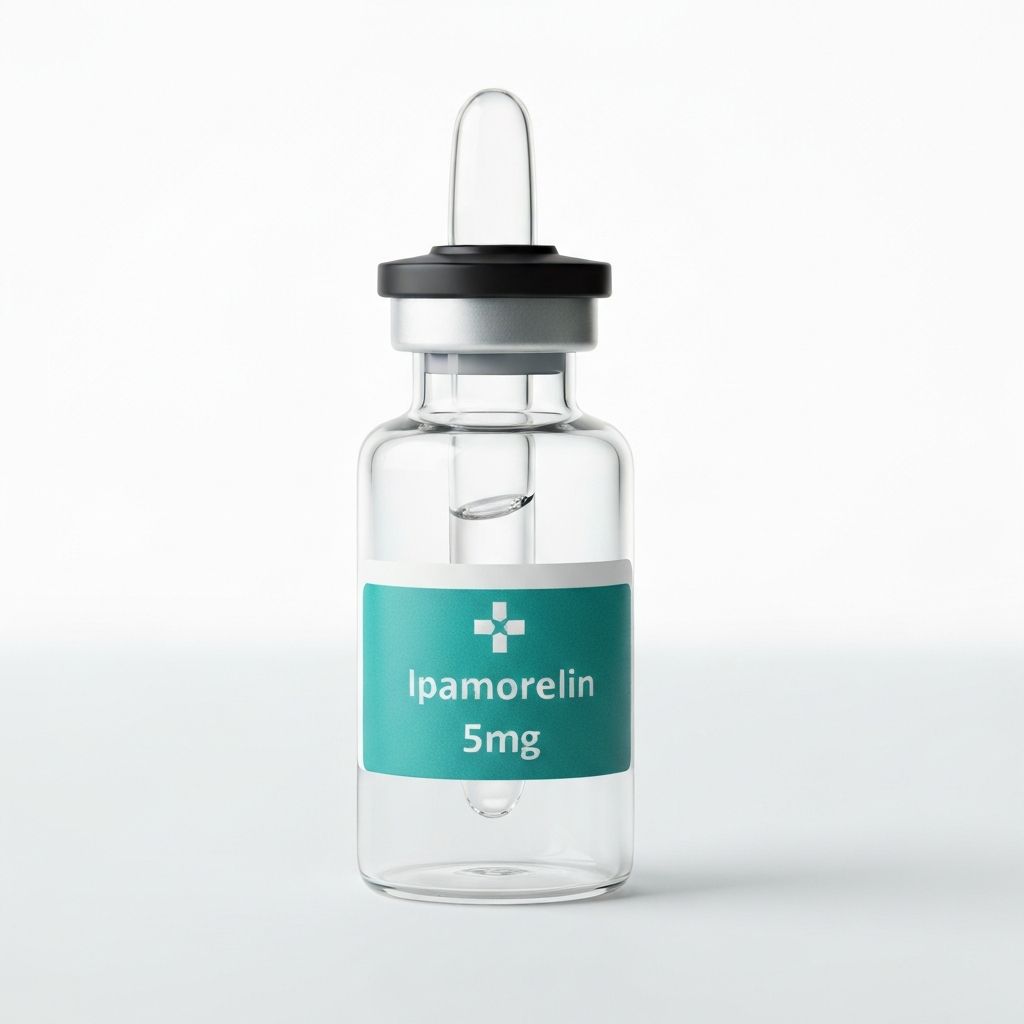
Ipamorelin
Selective growth hormone secretagogue for GH pulse research.
View product →
Experimental endpoints and common assaysChoice of endpoints should align with the mechanism under study. Common readouts include:Circulating GH and IGF-1 concentrations measured by immunoassay (ELISA, chemiluminescent assays).Receptor binding and activation assessed by radioligand binding, fluorescent-ligand assays, or reporter gene systems.Downstream signalling markers (e.g., STAT5 phosphorylation, MAPK/ERK activation) measured by Western blot, phospho-specific ELISAs, or mass spectrometry.Tissue-level outcomes such as gene expression (qPCR/RNA-seq), protein synthesis markers, or histology in preclinical models.Assay selection should consider sensitivity, cross-reactivity (especially between species), and temporal resolution because GH is secreted in pulses; single timepoint measurements can be misleading. Whenever possible, pair hormonal assays with receptor-level or intracellular signalling data to strengthen mechanistic conclusions.Design and practical considerations for peptide researchWorking with growth-hormone peptides requires attention to physicochemical and experimental details that affect reproducibility.Purity and characterization: Use peptides accompanied by a certificate of analysis (CoA) showing purity, identity (mass spec), and, if available, stability data. Impurities can confound biological readouts.Solubility and preparation: Many peptides are hydrophilic but require specific solvents or diluents for dissolution. Prepare fresh stocks or follow validated reconstitution/storage recommendations; avoid repeated freeze–thaw cycles.Storage and stability: Store according to the manufacturer’s instructions (typically frozen or refrigerated). Understand shelf-life once reconstituted and document handling to aid reproducibility.Controls and counter-screens: Include vehicle controls, inactive peptide analogs when available, and orthogonal assays to rule out off-target effects (for example, checking ghrelin-receptor–independent pathways).Species and model selection: Receptor sequence differences can alter peptide potency and efficacy across species; validate activity in the species used or interpret cross-species extrapolations with caution.Ethical, regulatory, and safety considerationsAll work with growth-hormone peptides must comply with institutional, national, and funder rules for laboratory safety and ethical oversight. Key points include:Use declarations: These products are for research use only. They are not approved treatments and should not be used in humans outside regulated clinical trials.Animal and human-subject oversight: In vivo studies require appropriate IACUC or equivalent approvals; any human sample work typically requires IRB review and informed consent.Data reporting: Report methodology in detail (peptide batches, storage, assay kits, timepoints) to aid reproducibility and meta-analyses.Laboratory safety: Handle peptides within established biosafety frameworks; use PPE and proper waste disposal for biological materials and solvents.Interpreting literature and avoiding common pitfallsLiterature on growth-hormone peptides includes diverse models and endpoints. When reading studies, be mindful of:Differences between acute and chronic dosing in preclinical models — temporal effects on GH pulsatility and downstream adaptation can differ markedly.Assay limitations: some immunoassays cross-react with peptide fragments or analogs; mass spectrometry provides greater specificity where applicable.Publication bias toward small positive studies; prioritize replication and mechanistic breadth over single endpoints.Growth-hormone peptides are versatile research tools when used with rigorous experimental design and transparent reporting. They enable targeted interrogation of secretion dynamics, receptor pharmacology, and downstream signalling across in vitro and in vivo systems, but careful attention to assay selection, peptide quality, and ethical oversight is essential.
Growth Hormone
Sermorelin
Growth hormone releasing hormone analog for GHRH receptor studies.
View product →
Growth Hormone
Tesamorelin
Growth hormone releasing factor analog for body composition research.
View product →
Growth Hormone
CJC-1295 (with DAC)
Modified GHRH with Drug Affinity Complex for extended half-life studies.
View product →
Growth Hormone
CJC-1295 (no DAC)
Modified GHRH without DAC for pulsatile GH release research.
View product →