FDA Reclassifies Several Peptides — A Practical Guide for Research Buyers

The FDA’s late‑2023–2026 actions around peptide compounding have reshaped the supply picture. Removal from Category 2 alters how compounding pharmacies may handle certain sequences, but it does not convert research materials into FDA‑approved drugs. For laboratories and institutional buyers, the takeaway is simple: regulatory movement creates opportunities and new risks — know which is which before you buy.
What the regulatory change actually means
When a peptide is removed from the FDA’s Category 2 list, the agency is changing its guidance on compounding eligibility — not granting full drug approval. A status change allows the Pharmacy Compounding Advisory Committee (PCAC) to review whether particular peptides meet criteria for lawful compounding. That review is procedural. It focuses on whether compounding would conflict with any approved drugs or raise specific safety concerns warranting restriction.
For researchers this distinction is critical. Compounding eligibility affects how pharmacies may prepare and sell peptide products under prescription, but it doesn’t change the fundamental regulatory classification of those peptides as experimental or unapproved for therapeutic use. If your lab sources peptides, treat the regulatory update as a change in distribution channels, not a change in scientific status.
Why buyers saw a gray market emerge — and why quality matters
Prior restrictions pushed demand into an unregulated marketplace: vendors selling “research use only” material with variable documentation, purity, and identity testing. That market persists whenever tightly controlled supply meets steady demand.
- Purity can vary widely; some lots contain significant impurities or truncated sequences.
- Labeling may not match analytical identity; mislabeled molecular weights or sequences are documented problems.
- Storage and shipping conditions are often inconsistent, and cold‑chain breaks degrade sensitive peptides.
For laboratory work, these variables translate to unreliable assays, wasted reagents, and potentially invalid results. Prioritize vendors that provide transparent batch documentation and third‑party testing.
How to vet a compounding pharmacy or vendor
Ask for documents, and verify them. Sellers that are serious about serving institutional or academic labs will provide the following without delay:
- Certificate of Analysis (COA) tied to the lot number, including purity by HPLC/UPLC and identity by mass spectrometry.
- Details on residual solvents, counter‑ions, and peptide counter‑ion specification (if applicable).
- Evidence of sterility and endotoxin testing for parenteral‑intended preparations, when relevant to your protocol.
- Facility compliance: statements showing registration, relevant USP standards (e.g., 795/797) where compounding applies, and third‑party audit reports when available.
Don’t accept generic statements of “high purity.” Match the COA to the exact lot you receive and keep those records with your study documentation.
Peptides in the recent regulatory discussions — research contexts
Several sequences recently moved off the restricted list and are now under review or in limited compounding pathways. Below are common research targets with concise notes on the type of laboratory work they appear in. These are research descriptors, not therapeutic endorsements.
- BPC‑157 — frequently studied in tissue‑repair and cell culture models where peptide signaling or matrix modulation is of interest.
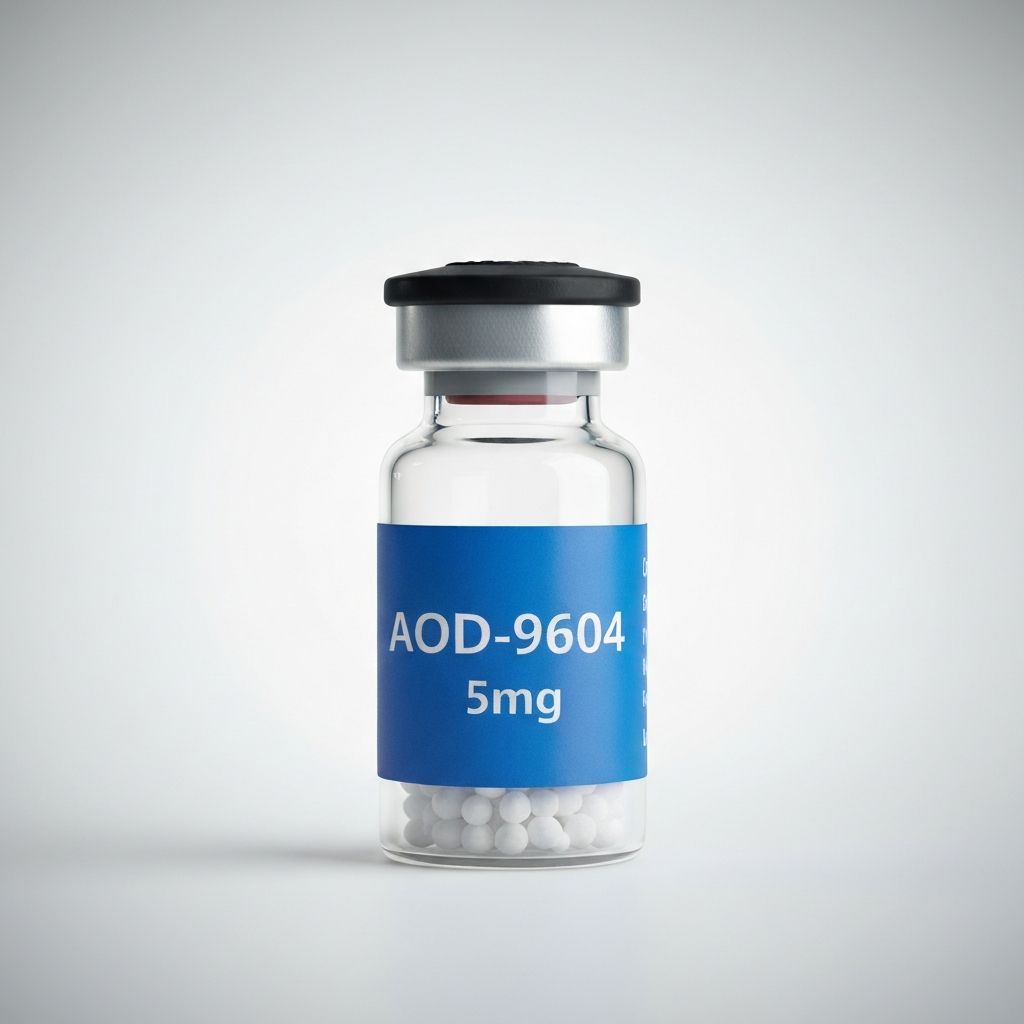
- AOD‑9604 — a peptide fragment often used in metabolic and cell‑signaling studies involving lipid handling.
- Thymosin alpha‑1 and Thymosin beta‑4 (TB‑500) — appear in immune modulation and repair biology experiments.
- CJC‑1295, Ipamorelin — used in basic endocrinology and signalling studies focused on growth‑hormone axis dynamics.
- Semax, Selank — small neuropeptides used in neuroscience models of cognition and stress responses.
- GHK‑Cu, MOTS‑C, KPV — used in wound models, mitochondrial biology, and inflammation research respectively.
Lab‑level handling, verification, and recordkeeping
Assume every research peptide requires verification before use. A simple checklist reduces downstream risk:
- Match COA to the shipment and retain both in your study file.
- If your institution has access to an analytical lab, confirm mass and purity by LC‑MS on a subset of incoming batches.
- Record chain of custody and storage conditions: date received, freezer ID, freezer temperature log, and number of freeze/thaw cycles per aliquot.
- Prepare single‑use aliquots where possible. Label with lot, date, and intended experiment code.
- Never repurpose research‑grade material for human or veterinary administration. Keep an explicit, documented policy prohibiting clinical use of research reagents.
Small investments in verification — a quick LC‑MS run, a retained COA, consistent cold‑chain logs — prevent larger losses in time and data integrity.
Regulatory shifts change distribution and oversight; they do not change the need for rigorous quality control in the lab. When you buy peptides for research, prioritize transparent documentation, verifiable analytics, and institutional recordkeeping.